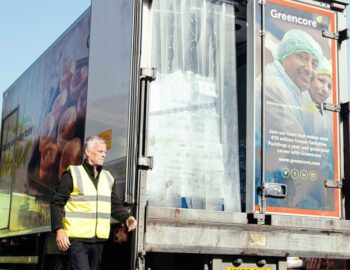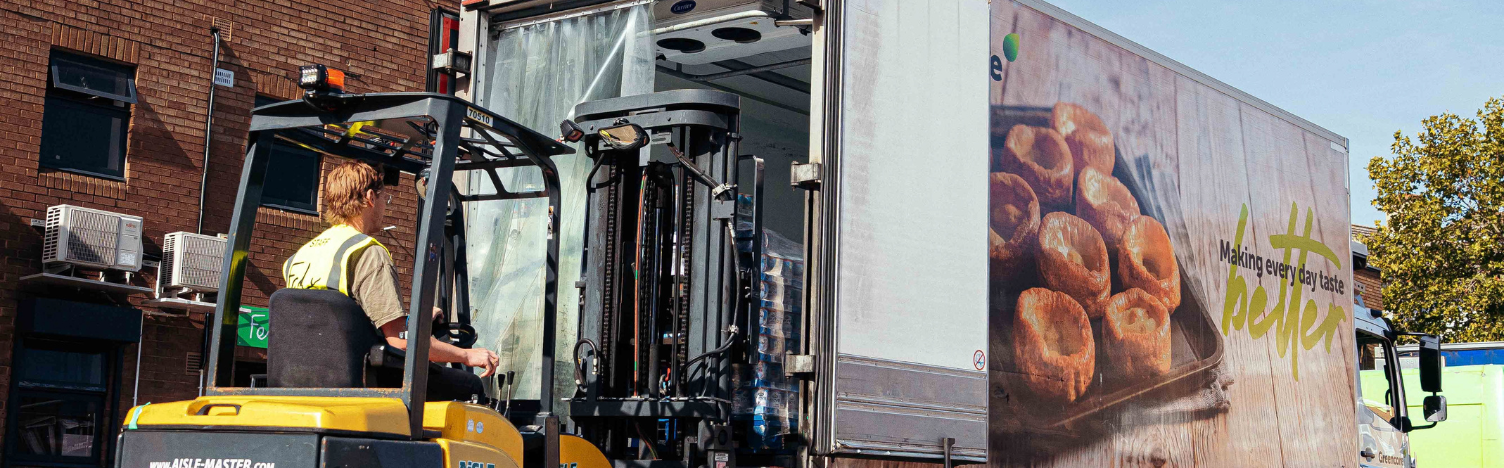
Greencore is supporting a new AI-driven platform designed to help charities access more surplus food by matching available lorry space with deliveries that need to be made across the UK.
Developed through the Alliance Food Sourcing (AFS) coalition and supported by food redistribution charity Felix, the technology acts as a central “mission control” system, matching surplus food deliveries with spare capacity on vehicles already travelling across the country.
Darren Binns, Head of Logistics at Greencore, said:
“It’s brilliant to see the industry coming together to tackle such an important issue, and we’re proud that Greencore can play a part. By making use of spare capacity on our HGV fleet, we can help get more surplus food to charities while reducing transport costs. It’s a simple idea, but one that shows how technology can help the industry go further to make a real difference.”
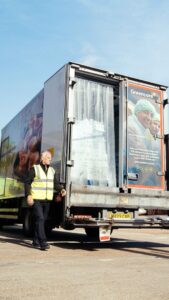
Greencore is already contributing to the initiative by providing twice-weekly transport movements within London at no cost, helping surplus food reach frontline charities while reducing logistics costs.
The platform goes beyond transportation, enabling shared visibility of spare factory line capacity, raw ingredients, packaging opportunities and relabelling capabilities. This allows more surplus food to be redistributed through partnerships across the food industry.
Eight million people go hungry in the UK, including 2.1 million children, according to the Food Foundation. At the same time, many frontline charities say they are unable to meet demand for food. The new platform aims to help address this challenge by improving how surplus food is moved and distributed.
Matching spare capacity with food deliveries
Felix is the UK’s leading food redistribution charity, supporting more than 8,000 charities and community groups. In 2025, it spent more than £5.6 million on logistics, moving 80,000 pallets to 33 distribution centres across the UK.
At the same time, around 30% of HGV journeys have spare capacity, according to the Department for Transport. The platform aims to close that gap by matching Felix food deliveries with available space on existing journeys, helping more surplus food reach the people who need it most.
Using AI technology, the system connects available transport capacity with surplus food deliveries that need to be made. It can also identify opportunities across manufacturing operations, including spare factory capacity, ingredients and packaging, helping increase the amount of food that can be redistributed.
Early trials delivering positive results
Early trials are on track to move 5,300 tonnes of food, save 42,885 road miles and reduce emissions by 62.9 tonnes of CO₂ over six months. The trials are also expected to generate £170,000 in cost savings.
As the platform expands, it has the potential to reduce food waste, cut transport costs and make better use of existing transport networks, while helping charities direct more of their resources towards frontline support.
The model will continue to be tested over the coming months, with the potential to save Felix up to £1 million in the first full year of rollout.
Industry collaboration driving innovation
Greencore has been involved in the development and trial of the platform through Alliance Food Sourcing (AFS), a coalition of more than 50 food companies convened by Felix and the Institute of Grocery Distribution (IGD).
The technology has been designed to help food manufacturers, logistics providers and charities work together more effectively, making better use of existing transport and production capacity to redistribute surplus food.
Nicky Robinson, Director of AFS, said:
“AFS brings different businesses together to collaborate and find joint solutions. This new AI-driven technology is a great example of that, matching offers of surplus food with space in lorries and logistics expertise to get more food to frontline charities more efficiently. We believe the platform could save up to £1 million of charity costs in its first year of rollout.”
Richard Smith, Director of Food Innovation at Felix, added:
“This is a really innovative piece of work. Transportation costs Felix millions of pounds a year and these are costs we cannot avoid. We need to get food to the more than 8,000 charities and community organisations we support. To know this new technology could save so much money is phenomenal.”
Find out more about the brilliant work Felix does at https://felix.org/.